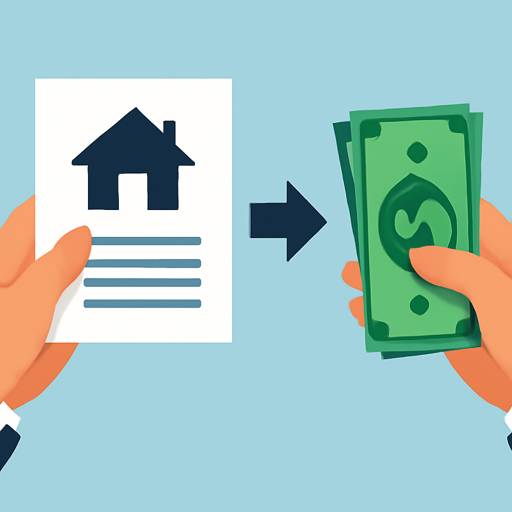
Turn Your Real Estate Note Into Immediate Cash: A Fast, Direct Path to Liquidity
Why “Sell My Note” Is a Smart, Fast Solution for Cash and Control
Holding a real estate note can be a solid investment—until you need liquidity, less risk, or freedom from management and collections. If you’re thinking, “I need to sell my note fast,” you likely want an immediate, dependable exit that puts cash in hand without brokers, commissions, or delays. A direct note sale converts future payments into a lump sum you can deploy now—pay off higher-interest debt, fund a purchase, seize an investment opportunity, or simply de-risk your portfolio.
Direct real estate note buyers evaluate your asset and deliver a clear, no-obligation offer quickly. The value of your note is driven by factors like interest rate, remaining term, payment history, property type and location, equity and LTV, seasoning, and lien position. Stronger pay history and more equity generally translate into stronger pricing, but even challenged or non-performing notes can qualify for a competitive cash offer. When you work with a principal buyer, you skip the middlemen, shave weeks off the timeline, and avoid “shopping your deal” to multiple parties.
Whether you’re carrying a private mortgage, a land contract, or a deed of trust sale from an owner-financed property, you don’t have to wait years to realize the full value of your investment. With a direct purchase, you can close in days, not months—no listings, no showings, and no uncertainty. For many sellers—individual note holders, real estate investors, trustees, estates, and portfolio managers—this approach provides a cleaner, faster, and more predictable outcome than holding or trying to collect over the long term.
If you’re weighing options and want a single, authoritative resource, start here: sell my note. When you’re ready, request a fast, written cash offer with straightforward terms. No fees. No surprises. Just a reliable path from paper to payout.
The No-Fee, No-Broker Process: From Quote to Close in Days
A streamlined, principal-to-principal process is the difference between waiting and winning. Here’s how a professional direct buyer moves you from inquiry to funding quickly and safely—often in a fraction of the time traditional channels take, and without extra costs.
Step 1: Quick consultation and data review. Provide the essentials: original balance, current unpaid principal balance, interest rate, term, payment amount, next due date, pay history, property address and type, and lien position. If available, share the note, deed of trust or mortgage, closing statements, and any modifications. With this information, a buyer can underwrite rapidly and present a preliminary price range the same day.
Step 2: Firm cash offer. After a focused review—confirming property value, equity, and performance—a direct buyer extends a firm offer with clear terms. This is where working with a principal matters. No broker markups, no commission layers, and no inflated expectations. Just a candid offer that reflects today’s market, your collateral, and your payment stream.
Step 3: Simple, secure due diligence. Expect a concise checklist: verification of the loan file, a pay history from your servicer or bank records, a current payoff statement if applicable, and a title check to confirm lien position and vesting. For most performing notes, there’s no need for property showings. Non-performing notes may require a bit more diligence, but the objective remains the same—keep the path to closing clear and fast.
Step 4: Closing and funding. A professional buyer coordinates all documents, executes assignments, and handles recordings. Closings are completed through a trusted escrow or attorney, and funds are wired upon execution. You should never be asked to pay junk fees or up-front costs; a seasoned buyer covers standard closing expenses and earns a return through the investment, not by charging you. This is the essence of a direct, no-friction transaction: speed, certainty, and transparency.
Step 5: Post-closing peace of mind. Once funded, your obligation ends. The buyer handles servicing transition and, if applicable, borrower notifications. You move forward with cash—not a calendar of monthly payments or a stack of collection challenges.
If your goal is truly to sell my note fast, this no-broker model delivers the highest certainty of close in the shortest time frame, especially for complex assets such as partial interests, junior liens, or notes with irregular payment histories.
What We Buy, Real-World Scenarios, and How to Maximize Your Payout
Direct buyers purchase a wide range of collateralized paper nationwide: first-lien and junior-lien notes, performing and non-performing loans, land contracts, private mortgages, and trust deeds secured by single-family homes, small multifamily, mixed-use, and select commercial properties. Whether you hold a single note or a diversified portfolio, a clear, investor-grade approach can unlock liquidity quickly and at a strong price point.
Performing notes. If your borrower pays reliably, there’s consistent demand for your cash flow. Strong credit, low LTV, and a solid property type can boost pricing. Example: A Texas seller-financed first-lien on a rental SFR with 18 months of clean payments, 70% LTV, and a 9% rate closed for a competitive price in under two weeks. The seller redeployed the lump sum into a time-sensitive acquisition and improved overall returns.
Non-performing notes. When a borrower is behind, carrying the paper can be stressful and risky. A seasoned buyer will quickly analyze equity, occupancy, and legal status, then price for resolution—whether that’s a workout, modification, or REO path. Example: An Ohio NPN secured by a vacant SFR with 85% verified BPO value and six months of delinquency funded within days, allowing the seller to exit a deteriorating situation and preserve capital.
Partials and structured exits. Don’t want to sell everything? Consider a partial sale (e.g., the next 60–120 payments) while retaining the tail. This approach delivers immediate cash for promissory note streams without giving up full upside. Example: A Florida performing note holder sold a partial to cover renovation costs on a new project, kept the remainder, and returned to full payment collection once the partial matured.
Portfolios. Investors with multiple assets benefit from batch pricing, one escrow, and consolidated timelines. A direct buyer can stagger closings for tax planning or capitalize the entire pool at once. Streamlined underwriting and a single point of contact remove friction, reduce execution risk, and speed funding.
Deeds of trust and regional considerations. Many markets use trust deeds (e.g., California, Arizona, Texas). A well-versed buyer understands state-specific foreclosure timelines, recording requirements, and servicing nuances—vital for pricing, documentation, and closing speed in any deed of trust sale. In judicial states, experienced buyers account for court timelines and still deliver fast, confident offers. Nationwide reach means your exit isn’t limited by local broker networks or lender appetite.
How to maximize your payout. Provide clean documentation: the original note, deed of trust or mortgage, allonges or assignments, payment ledger, and any forbearance or modification agreements. Confirm current insurance and taxes. Share anything that impacts value up front—strong transparency improves both pricing and speed. If possible, keep payments current while you market; fresh, on-time payments demonstrate performance and bolster offers.
Clear reasons to act now. Rates, property values, and investor appetite shift. Converting a long-dated income stream into cash today can reduce exposure, eliminate collection volatility, and free capital for higher-yield opportunities. With an experienced, direct counterparty—no brokers, no commissions, and closings in days—you get certainty, simplicity, and the outcome you want: immediate liquidity at a fair, market-driven price.
Ready for a firm, fast number? Request a no-obligation cash quote today and move from complexity to clarity—on your timeline.

Born in Durban, now embedded in Nairobi’s startup ecosystem, Nandi is an environmental economist who writes on blockchain carbon credits, Afrofuturist art, and trail-running biomechanics. She DJs amapiano sets on weekends and knows 27 local bird calls by heart.